Best Svalbard Winter Tours from Longyearbyen: Snowmobiles, Dog Sledding, Ice Caves & Northern Lights
Compare the best Svalbard winter tours from Longyearbyen, including snowmobile safaris, dog sledding, ice caves, Northern Lights trips and Polar Night adventures.
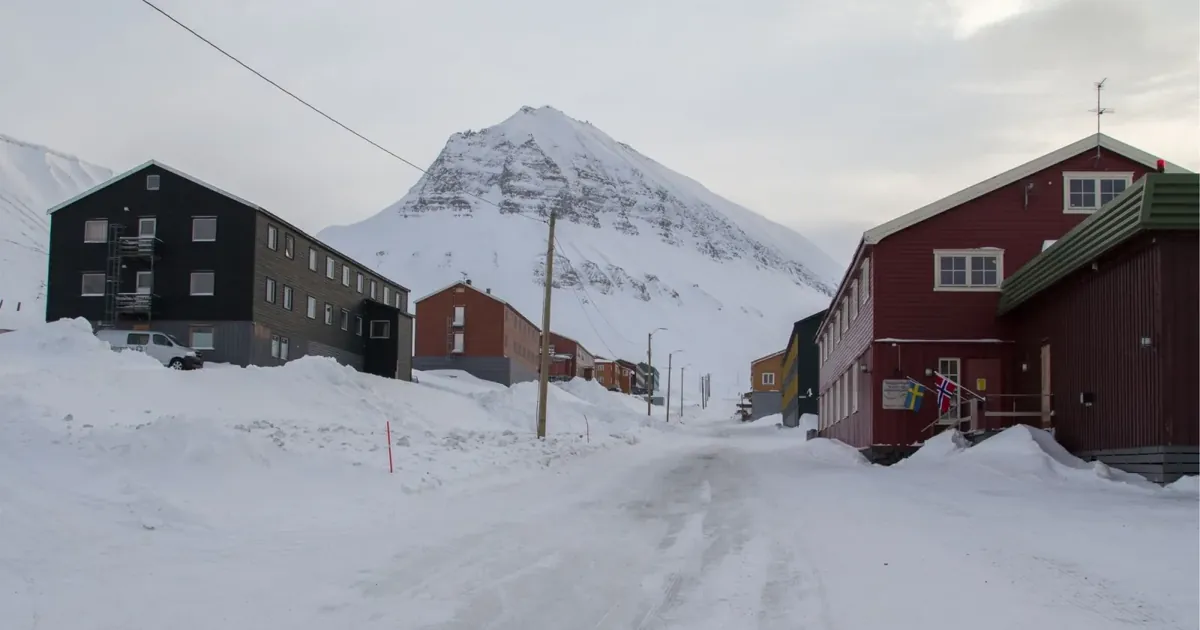
Winter is when Svalbard becomes the High Arctic destination many travellers have imagined: frozen valleys, dog teams running through snow, snowmobiles disappearing between mountains and long stretches of darkness lit by stars or, if conditions cooperate, the Northern Lights.
“Winter in Svalbard” covers two very different trips. Visit Svalbard divides the cold half of the year into Northern Lights Winter, from 1 October to 28 February, and Sunny Winter, from 1 March to 16 May. The Polar Night itself runs from about 11 November to 30 January. From March the daylight returns quickly, and the Midnight Sun begins on 20 April while there is still snow on the ground.
That difference matters when you choose tours. Come in December and you can drive a snowmobile through darkness at midday and perhaps see the aurora before lunch. Come in April and the landscape is flooded with light, so you can see much farther across Svalbard’s snow-covered wilderness.
For most visitors, the best winter itinerary combines one substantial snowmobile trip, one dog-sledding experience and one glacier or Northern Lights activity, with enough free time to adapt if Arctic conditions change. The date checker below is for the ice cave adventure by snowmobile, which puts the snowmobile and the glacier into a single 3.5-hour trip.
Check Availability
Best Svalbard winter tours at a glance
| Experience | Best for | Best period |
|---|---|---|
| Snowmobile safari | Big landscapes and adventure | December to May |
| Northern Lights snowmobile tour | Aurora and adventure | December to March |
| Dog sledding | A classic Arctic experience | Winter to spring |
| Polar Night dog sledding | Darkness, stars and atmosphere | November to January |
| Ice cave tour | A glacier experience | Winter to spring |
| Snowmobile + ice cave | First-time visitors | December to May |
| Full-day snowmobile expedition | Remote landscapes | March to May |
| Northern Lights chase | Aurora-focused visitors | October to February |
| Frozen waterfall tour | A shorter winter adventure | December to spring |
| Longyearbyen sightseeing | An easy introduction | Year-round |
Exact start and end dates depend on the operator and on snow and ice conditions, so treat the periods as the usual pattern, not a timetable.
First: which Svalbard winter are you visiting?
Northern Lights Winter: 1 October to 28 February
This is the darker season. Choose Northern Lights Winter if you want:
- the aurora
- the Polar Night
- stars
- blue twilight
- snowmobiling in darkness
- dog sledding by headlamp
- an unusually atmospheric Arctic experience
The trade-off is that you see less of the surrounding landscape than in spring.
Sunny Winter: 1 March to 16 May
Sunny Winter is still winter in Svalbard. Snow and ice remain widespread, but the daylight comes back fast. Choose Sunny Winter if you want:
- long snowmobile expeditions
- mountain scenery
- dog sledding in daylight
- glaciers
- ice caves
- longer outdoor days
- photography
By 20 April the Midnight Sun has begun, even though the snowmobile season can continue into May.
1. Snowmobile tours: the signature winter adventure
Snowmobiles are one of the main ways visitors reach Svalbard’s winter landscape. Longyearbyen has only a short road network. Once there is enough snow, snowmobiles open routes through valleys and across terrain you could not otherwise reach on a day trip.
Current winter excursions range from short beginner trips to full-day expeditions. Our snowmobile tours guide compares every type in detail.
What happens on a snowmobile tour?
Most trips start with:
- pickup from your accommodation;
- transfer to the operator’s base;
- thermal clothing and equipment;
- a safety briefing;
- driving instruction;
- departure in a guided convoy.
Many tours accept first-time drivers. To drive, you need a valid driving licence: the Governor of Svalbard accepts a category B car licence, and passengers do not need one.
Short snowmobile tour vs full-day expedition
Choose a shorter tour if:
- this is your first time driving
- you are unsure how you cope with Arctic cold
- you have only a few days
- you want to combine snowmobiling with another attraction
Choose a full-day expedition if:
- snowmobiling is a major reason for your trip
- you want to travel much farther from Longyearbyen
- you enjoy active adventure
- you are comfortable spending most of the day outside
The longest day trip we compare is the East Coast snowmobile expedition, about 10 hours with lunch on the frozen sea at Mohnbukta. It is a new listing with a single review so far, so treat the rating as unproven.
2. Northern Lights snowmobile tours
During the Polar Night, a snowmobile is an unusual way to look for the aurora. The morning tours stand out, because Svalbard’s winter darkness can make it possible to search for daytime Northern Lights.
Why choose a snowmobile instead of a normal aurora chase?
A snowmobile makes the journey part of the experience. Instead of sitting in a minibus until you reach a viewing point, you travel through:
- frozen valleys
- darkness
- snow
- Arctic wilderness
Even if the Northern Lights do not appear, you have still had a real snowmobile adventure. If you would rather ride as a passenger, the private Northern Lights snowmobile tour has the guide drive while you watch the sky. It runs about three hours and has only two reviews so far. Our Northern Lights snowmobile guide covers these trips in depth.
The downside
A snowmobile cannot guarantee clear skies. A road-based aurora chase can sometimes move more easily towards a gap in the cloud.
3. Polar Night snowmobile tours
Not every Polar Night snowmobile trip is an aurora chase. Some tours focus on the darkness itself, and that is one of the strange pleasures of a Svalbard winter.
At home, 10:00 means daytime. In the Polar Night it can mean:
- headlights
- stars
- moonlight
- blue twilight
- black mountain silhouettes
4. Dog sledding: the quiet alternative
If snowmobiles are about range and speed, dog sledding is about rhythm and atmosphere. You travel much more slowly, usually in pairs, behind a team of huskies.
The experience often includes:
- meeting the dogs
- harnessing them
- learning how the sled works
- driving the sled yourself
- switching between driver and passenger
- helping with the dogs afterwards
Why choose dog sledding?
Because it feels completely different from motorised travel. Once the dogs settle into their running rhythm, the landscape can become remarkably quiet. Dog sledding is mostly booked directly with the kennels, not through the platform this site compares, and our dog sledding guide explains each version.
5. Dog sledding during Polar Night
Polar Night makes dog sledding even more atmospheric. The landscape may be lit by:
- stars
- moonlight
- headlamps
- the occasional aurora
Best for
- couples
- first-time visitors
- travellers who dislike engine noise
- people who want a traditional Arctic experience
- aurora visitors looking for something more atmospheric than a minibus
6. Full-day dog sledding to a glacier
Dog sledding does not have to be a short kennel excursion. Longer tours travel deep into the valleys around Longyearbyen, which makes the day much closer to an Arctic expedition than a simple dog ride.
Choose a full-day trip if:
- dog sledding is one of your main reasons for visiting
- you enjoy active travel
- you want plenty of time on the trail
- you want glacier scenery
- you are comfortable being outside for most of the day
7. Ice cave tours
Entering an ice cave gives you a completely different view of Svalbard’s glaciers. Inside you may find:
- clear ice
- blue ice
- frozen layers
- sediment
- icicles
- sculpted channels
The caves change from year to year because glaciers are always moving. Our ice cave tours guide explains how each type of trip reaches them.
8. Snowmobile + ice cave: one of the best combination tours
For first-time visitors, this is one of the strongest winter combinations. You get:
snowmobile + Arctic landscape + glacier + ice cave
without giving a separate day to each.
Why it works so well
The snowmobile is not just transport. The ride through snow-covered valleys is a major part of the day, and then the experience changes completely when you leave the machine behind and walk into the glacier.
The ice cave adventure by snowmobile takes about 3.5 hours with no more than four riders per guide, and it is rated 5.0 from six reviews. The snowmobile adventure and ice cave exploration stretches the same idea to about seven hours with a field meal, and has four reviews so far.
9. Dog sledding + ice cave
This is the slower and more atmospheric version of the same idea. Instead of reaching the glacier by snowmobile, you travel behind huskies. Choose this format if the journey itself matters more to you than the stop at the cave.
10. Frozen waterfall tours
Frozen waterfalls are a popular feature of shorter winter itineraries. The most useful tours usually combine one with another activity instead of making the waterfall the whole purpose of the day, which suits travellers with limited time.
11. Dedicated Northern Lights tours
Not everyone wants to drive a snowmobile in the dark. If seeing the aurora is your main priority, a dedicated Northern Lights tour can be a better fit. These can involve:
- a minibus
- a snowcat
- a wilderness camp
- photography-focused tours
- dog sledding
- a snowmobile
Two road-based options we compare are the four-hour Northern Lights photography tour with a local expert, rated 4.6 from 36 reviews, and the three-hour private Northern Lights tour by car, rated 5.0 from 13 reviews.
Are sightings guaranteed?
No. You need:
- enough darkness
- auroral activity
- a clear enough sky
Cloud can hide a strong aurora completely. If seeing the Northern Lights matters a lot to you, spend several nights in Svalbard instead of relying on one evening.
12. December vs January for winter tours
Both months fall inside the Polar Night.
December
Best for:
- deep darkness
- the Christmas-period atmosphere
- the chance of a daytime aurora
- Northern Lights snowmobile tours
- dog sledding in darkness
January
Best for:
- the Polar Night
- established winter conditions
- the chance of a daytime aurora
- snowmobile and dog-sled activities
- the first hint of returning twilight late in the month
Choose either if darkness is central to your trip.
13. February: a transition month
February is when the light starts coming back. It can give you:
- proper winter snow
- more visible landscapes
- dark evenings
- a chance of the Northern Lights
- snowmobile touring
For travellers who are nervous about the full Polar Night but still want the aurora, February can be an appealing compromise.
14. March: one of the best all-round winter months
March is the start of Sunny Winter, and it is a strong month for classic winter adventure. March suits:
- snowmobiles
- dog sledding
- ice caves
- glaciers
- landscape photography
- evening Northern Lights early in the month
The main advantage is that you can finally see far into the landscape while there are still full winter conditions.
15. April: long light and big expeditions
April is one of the best months for travellers whose main priority is the landscape, not the aurora. The days become very long, and the Midnight Sun begins on 20 April.
It suits:
- long snowmobile expeditions
- glacier trips
- dog sledding
- photography
- full-day wilderness tours
16. May: winter under the Midnight Sun
May sounds like spring, but in early and mid-May there can still be enough snow for snowmobile and dog-sledding trips. That creates an unusual combination:
snow + glaciers + snowmobiles + 24-hour daylight
The downside is that late-season conditions can change quickly.
What is the best month for Svalbard winter tours?
If you can choose when to go, March offers the best overall balance for a first winter trip: full snow, long enough days to see the landscape, and dark evenings for the aurora early in the month. If the Polar Night and the aurora are the reason you are coming, choose December or January instead.
| Priority | Strong period |
|---|---|
| Polar Night | November to January |
| Northern Lights | October to February |
| A possible daytime aurora | December to January |
| Snowmobile adventure | December to May |
| A long snowmobile expedition | March to May |
| Dog sledding | Winter to spring |
| Ice caves | Winter to spring |
| Landscape photography | March to April |
| Midnight Sun and snow | Late April to mid-May |
Our best-time-to-visit guide shows what runs in every month of the year.
Can beginners join winter tours?
Yes. Many Svalbard activities are designed for visitors with no previous Arctic experience. Beginner-friendly does not mean physically effortless, though. Consider:
- cold exposure
- duration
- balance
- mobility
- snow and ice
- how long you stay outside
What clothing do winter tours provide?
Many operators supply heavy outer equipment. Depending on the activity, that may include:
- an insulated snowmobile suit
- winter boots
- mittens
- a helmet
- goggles
- a headlamp
You still need warm clothing underneath, and our guide to what to wear on a Svalbard day tour lists the layers.
How cold do winter tours feel?
Often much colder than the forecast temperature suggests. Snowmobile tours add wind chill. Dog sledding can include long periods standing in exposed terrain. Aurora tours involve waiting outside.
Do tours pick up from your hotel?
Many do, but do not assume it for every activity. Check:
- the pickup location
- the pickup time
- the return arrangements
- whether you need to reach an operator’s base yourself
Our where-to-stay guide covers which bases are easiest for pickup.
Do you need a car in winter?
Most tour-focused visitors do not. The experiences you came to Svalbard for generally cannot be reached by driving a normal rental car.
Should you book winter tours in advance?
Yes, especially for Sunny Winter. Prioritise:
- your most important full-day tour;
- limited-capacity experiences;
- dog-sled glacier trips;
- specific ice cave tours;
- aurora experiences on short stays.
Our guide to booking Svalbard tours explains the order to reserve things in.
How many tours should you book?
More is not always better. Svalbard winter activities can be tiring. A five-day trip might look like this:
Day 1
Arrival and Longyearbyen sightseeing
Day 2
Snowmobile tour
Day 3
Dog sledding
Day 4
Ice cave or glacier experience
Day 5
A flexible activity or weather backup
Best 3-day winter itinerary
Day 1
Longyearbyen sightseeing and a short Northern Lights activity
Day 2
A snowmobile and ice cave combination
Day 3
Dog sledding
Best 5-day winter itinerary
Day 1
Longyearbyen and Seed Vault sightseeing, for example on the two-hour Global Seed Vault and Arctic viewpoint tour by car
Day 2
A major snowmobile excursion
Day 3
Dog sledding
Day 4
An ice cave or frozen waterfall
Day 5
A flexible day or a Northern Lights tour
Best winter tours for families
Families should prioritise:
- shorter dog-sled experiences
- sightseeing, such as the guided walking tour with a local guide
- easier snowmobile trips as passengers
- shorter glacier or snowcat activities
Check minimum ages carefully. Snowmobile trips often set one: the longer ice cave tour, for example, starts at 12.
Best winter tours for couples
Good combinations include:
- dog sledding
- a snowmobile and ice cave trip
- a Northern Lights tour
- an overnight wilderness experience
Best winter tours for photographers
Polar Night
Strong for:
- the aurora
- blue twilight
- stars
- artificial light against snow
- atmospheric dog-sled scenes
Sunny Winter
Strong for:
- mountains
- glaciers
- snow textures
- long-distance views
- wildlife
- golden and pastel light
Snowmobile or dog sledding: which should you book first?
Choose snowmobiling if you want:
- distance
- landscapes
- motorised adventure
- ice-cave combinations
Choose dog sledding if you want:
- quiet
- animals
- traditional Arctic travel
- atmosphere
If you have four or more days, do both.
Ice cave or Northern Lights tour?
Choose an ice cave if:
- glaciers interest you
- you want a more predictable physical attraction
- you are visiting in Sunny Winter
- photography inside the ice appeals to you
Choose the Northern Lights if:
- you visit in the dark season
- the aurora is one of your main goals
- you accept that sightings cannot be guaranteed
Are winter wildlife sightings guaranteed?
No. Book winter tours for the landscape and the activity, not on the promise of seeing a particular species. Our guide to seeing polar bears in Svalbard explains why.
Frequently Asked Questions
What are the best winter tours in Svalbard?
The main winter experiences are snowmobile safaris, dog sledding, ice caves, Northern Lights tours and longer glacier or wilderness expeditions.
When is winter in Svalbard?
Visit Svalbard divides the colder half of the tourism year into Northern Lights Winter, from 1 October to 28 February, and Sunny Winter, from 1 March to 16 May.
When is the Polar Night?
The Polar Night runs from about 11 November to 30 January.
Can you see the Northern Lights during the day?
During the deepest part of the Polar Night, yes, if auroral activity and the weather cooperate.
When is the best time for snowmobile tours?
Sunny Winter, from March to mid-May, is particularly popular for longer expeditions.
Can beginners drive snowmobiles?
Many tours accept beginners and provide instruction. You need a valid driving licence to drive; passengers do not.
Can you go dog sledding during the Polar Night?
Yes. Dog sledding runs in the Polar Night, often by headlamp.
Can you visit an ice cave in winter?
Yes. Ice cave tours run in winter and spring, when the glacier channels are frozen.
Is March a good month for Svalbard?
Yes. March combines full winter snow with returning daylight, and it is one of the best months for snowmobiles, dog sledding and ice caves.
Is April too late for snowmobile tours?
No. April is one of the strongest months for long snowmobile expeditions.
Should I book winter tours in advance?
Yes, especially full-day tours and small-group trips in Sunny Winter.
The bottom line
The best Svalbard winter tour depends less on a universal ranking than on which version of winter you want. Come during the Polar Night and the darkness becomes part of every adventure. Come during Sunny Winter and the experience changes completely.
For a first trip, a particularly strong combination is:
one snowmobile tour + one dog-sledding trip + one ice cave or Northern Lights experience.
Do not try to book every available excursion. Leave enough space for weather, fatigue and the simple pleasure of being in Longyearbyen.
A Svalbard winter is not memorable because you ticked twelve activities off a list. It is memorable because a few hours outside town can make the modern world feel very far away. For the rest of the year, see our guides to the best Svalbard day tours, summer tours and aurora boat trips.
Stand at the Door of the Global Seed Vault
Two hours by car to the concrete wedge in the mountainside, out through Adventdalen where the reindeer graze, and round Longyearbyen's mining heritage. Hotel pickup and a warm drink included — and it runs every month of the year.
Check Availability & Book