Best Svalbard Summer Tours from Longyearbyen: Boats, Wildlife, Hiking & More
Discover the best Svalbard summer tours from Longyearbyen, including glacier cruises, walrus safaris, hiking, kayaking, summer dog sledding and Midnight Sun trips.
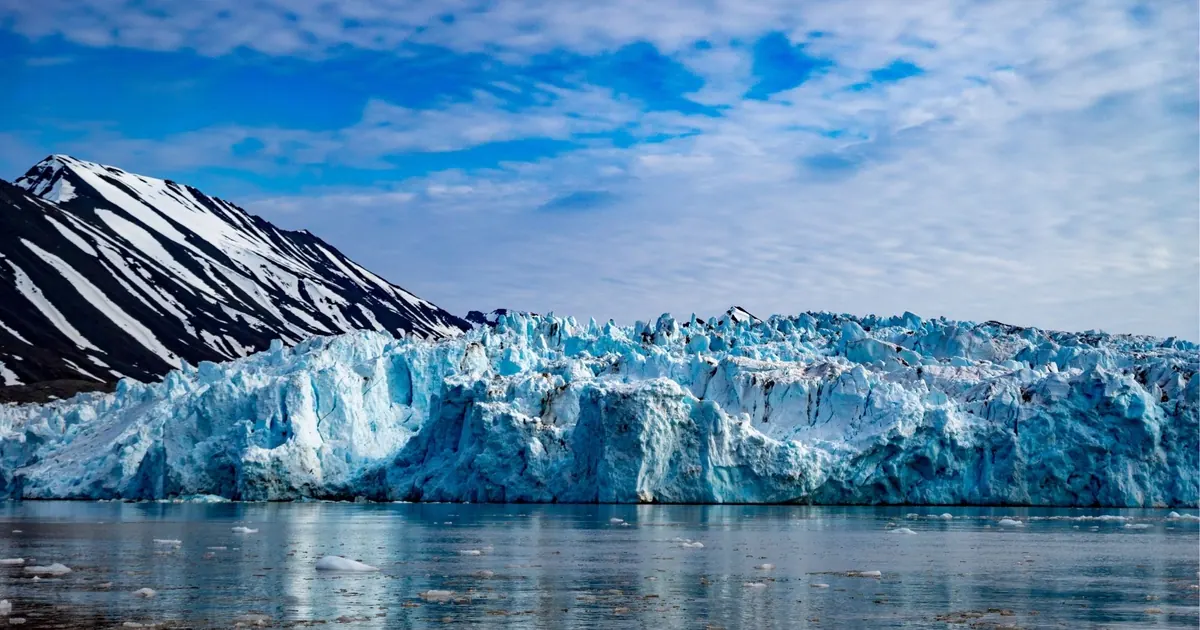
Summer in Svalbard is nothing like winter with the snow removed. It is effectively a different destination. As the fjords become navigable and the tundra emerges, snowmobile expeditions give way to boat trips, glacier cruises, wildlife safaris, hiking and kayaking. Dog sledding does not disappear either: the huskies switch from sleds to wheeled carts (our dog sledding guide covers both).
Polar Summer runs from 17 May to 30 September, with the midnight sun lasting from around 20 April to around 22 August. After that the season shifts into Golden Autumn, when darker evenings gradually return. (Sources differ by a day or so on the exact midnight-sun dates, which also move slightly from year to year.)
For most first-time summer visitors, the one experience not to miss is a substantial boat tour from Longyearbyen. Roads reach only a tiny part of Svalbard, and getting onto Isfjorden changes your sense of the destination completely. After that, choose between wildlife, hiking, kayaking, dog sledding on wheels and cultural sightseeing according to your interests; our Longyearbyen day tours guide sets them out by month.
Check Availability
Best Svalbard summer tours at a glance
| Experience | Best for | Typical commitment |
|---|---|---|
| Glacier boat tour | First-time visitors | Half or full day |
| Walrus safari | Wildlife | Half day |
| Wildlife and whale safari | Animals and scenery | Half or full day |
| Full-day Isfjorden cruise | Big Arctic landscapes | Full day |
| Guided hiking | Active travellers | Half or full day |
| Kayaking | Close-to-water Arctic experience | Half or full day |
| Hike and kayak combination | Adventure | Full day |
| Dog sledding on wheels | Huskies, families | 3–4 hours |
| Longyearbyen sightseeing | First day | 2–4 hours |
| Mine tour | History, bad-weather option | Short half day |
| Evening boat trip | Midnight sun, autumn light | Half day |
Only tours sold on GetYourGuide can be booked through this site, which leaves a few rows above (walrus safari, kayaking, the hike and kayak day, dog sledding on wheels) outside it. Each is flagged in its own section below.
1. Glacier boat tours: the essential summer experience
If you book only one major summer excursion in Svalbard, a glacier boat tour is the most obvious candidate. Longyearbyen sits on Isfjorden, one of the great gateways into western Spitsbergen. Once you leave the harbour, the settlement quickly disappears and the scale of the Arctic becomes much more apparent.
Depending on the route, a glacier excursion may include:
- broad fjords
- glacier fronts
- steep mountains
- seabird colonies
- historic cabins
- abandoned settlements
- seals
- walruses
- whales
The Isfjorden wildlife boat trip is the one boat day we can link to at the moment: two and a half hours in a closed boat with a group capped at eight, out along the fjord to the former Russian settlement of Grumant and the Fuglefjella bird cliffs. It is new, with only two reviews so far, and it is a fjord and wildlife outing rather than a run to a glacier front. The long open-boat days to Pyramiden, Barentsburg and the Nordenskiöld glacier are the classic summer trips, but we have no bookable listing for them right now, so ask a Longyearbyen operator directly. Our tour page for the Isfjorden boat trip has the full breakdown. If you would prefer a private boat with your own itinerary, the private glacier and wildlife boat adventure exists, but it is a premium price and has very few reviews so far.
Why choose a glacier tour?
Because glaciers are not just another attraction in Svalbard. They shape the entire landscape. Approaching a glacier front from the water gives you a far better sense of scale than seeing one from a distant viewpoint. On suitable days you may also hear cracking ice or witness calving, although this is a natural process and cannot be scheduled or guaranteed.
Half-day or full-day?
Choose a half-day glacier trip if:
- you are in Svalbard for only two or three days
- you want to combine activities
- you are uncertain about spending a full day at sea
- you are travelling with younger children
Choose a full-day tour if:
- this is your first Svalbard visit
- Arctic scenery is the main reason you came
- you want to travel farther from Longyearbyen
- you enjoy photography
- you want the journey to feel like an expedition
Be aware that the one boat trip we compare is a two-and-a-half-hour fjord outing that does not reach a glacier front, so a half-day glacier trip means booking directly with an operator.
2. Walrus safaris: one of the best wildlife tours
Walruses are among the most charismatic animals visitors can realistically hope to encounter on a summer tour. They are enormous, strange-looking and surprisingly entertaining to watch. Several Longyearbyen operators run dedicated walrus safaris, though none is among the tours we compare here.
Are walruses guaranteed?
No wildlife should be treated as guaranteed. Even when animals regularly use a particular site, conditions can change. A good wildlife trip should still be enjoyable because of:
- the boat journey
- fjord landscapes
- birds
- glaciers
- the guide’s interpretation
- other possible wildlife
Best for
- wildlife enthusiasts
- photographers
- families
- travellers wanting a shorter boat trip
- people who do not want a full day at sea
3. Glacier, walrus and whale safaris
If you want a broader experience than targeting one species, choose a general Arctic wildlife-and-glacier cruise. Possible sightings include:
- walruses
- whales
- seals
- seabirds
- other Arctic wildlife
The crucial word is possible.
Why a general wildlife safari can be better
Wild animals do not follow tour itineraries. A flexible wildlife safari allows the guide and captain to adapt according to:
- recent sightings
- sea conditions
- weather
- visibility
- wildlife movement
4. Whale watching in Svalbard
Whales are regularly part of summer wildlife-tour marketing, but Svalbard is different from destinations where boats follow a predictable resident whale population on a tightly controlled route. Depending on location and season, visitors may encounter species such as:
- belugas
- minke whales
- fin whales
- humpback whales
- occasionally other cetaceans
The best approach is usually to book a high-quality wildlife or fjord tour that you would enjoy even without whales.
5. Small-boat vs large-boat tours
Small boat or RIB
Advantages:
- smaller groups
- closer to water level
- more intimate atmosphere
- greater manoeuvrability
- easier photography in some situations
Disadvantages:
- more exposure to weather
- more motion
- potentially colder
- less space to move around
Enclosed small boat
This can offer an excellent compromise. You get a small group while still having:
- shelter
- heating
- indoor seating
- outdoor viewing when something appears
Larger vessel
Advantages:
- more stability
- toilets and indoor facilities more likely
- easier for travellers who dislike RIBs
- more room to move around
The best choice depends on whether you prioritise comfort or immediacy.
6. Midnight sun boat tours
From late April until late August, the sun does not set in Longyearbyen, so an “evening” boat tour may take place in full daylight. A departure at 19:00 can feel visually like the middle of the afternoon, while the lower angle of the sun can create beautiful light across mountains and glaciers.
The boat trip we compare is not sold as an evening sailing. If that is what you want, check departure times with the operator. For a midnight sun experience on land, the hike above Blomsterdalen with a Seed Vault visit is a three-hour guided outing that, between late April and late August, happens in full daylight whenever it leaves. It is a new listing with no reviews yet, so check the starting times on the booking page.
Why choose an evening departure?
- attractive light for photography
- fewer conventional daytime associations
- an unusual midnight sun experience
- leaves your morning free
- can fit around another shorter activity
7. Late-summer and Golden Autumn boat trips
Late August and September are particularly interesting. The midnight sun ends around 22 or 23 August, and the weeks to 30 September are Golden Autumn. The landscape begins changing quickly:
- evening shadows return
- autumn colours appear
- light becomes softer
- nighttime darkness gradually returns
- aurora becomes possible again
At the same time, many boat tours continue operating. A late-summer boat trip can therefore offer open water, glaciers, autumn light and the potential for Northern Lights later in the season. Our guide to aurora boat trips explains how realistic that last part is.
8. Hiking tours from Longyearbyen
Polar Summer is Svalbard’s main hiking season. Routes vary from accessible valley walks to demanding mountain days. Possible landscapes include:
- tundra
- ridgelines
- glacier valleys
- coastal terrain
- mountain summits
- fossil-bearing areas
Guided hikes we compare include the iconic hike to Platåfjellet, a moderately strenuous summit walk, and the Blomsterdalshøgda guided hike, a shorter walk for the view back over town.
Why take a guide?
This is not an ordinary European hiking destination. Outside the Longyearbyen settlement, polar-bear risk is part of wilderness travel. Professional guides carry the equipment and local knowledge necessary for travelling safely outside town. Our packing guide covers what to wear on the trail.
9. Hike and kayak tours
If you want a more ambitious summer day, combined hiking and kayaking excursions can be exceptional. This is not a casual sightseeing excursion. It is for travellers who actively want a physical challenge. We do not list one, so book directly with an operator.
Best for
- fit travellers
- active couples
- experienced hikers
- people who want one big adventure day
- visitors staying long enough to recover afterward
Not ideal for
- travellers wanting easy sightseeing
- anyone uncomfortable on water
- people with limited hiking fitness
- very short visits where exhaustion could affect the rest of the trip
10. Kayaking in Svalbard
Kayaking gives you a completely different perspective from a motorboat. You sit almost at water level and move quietly through the fjord. Instead of covering enormous distances, the appeal is intimacy:
- sound of water
- mountains reflected around you
- seabirds
- Arctic silence
- slow travel
Kayak vs boat tour
Choose a boat tour if you want:
- glaciers farther from Longyearbyen
- wildlife searching
- greater distances
- more comfort
Choose kayaking if you want:
- physical activity
- quiet
- a closer relationship with the landscape
- a slower experience
11. Summer dog sledding: yes, it exists
One of the most common misconceptions about Svalbard is that dog sledding disappears when the snow melts. The dogs still need exercise, so in summer, specially designed wheeled carts or wagons replace traditional sleds. Dog sledding is largely booked directly with the kennels, not through the platform this site compares.
What is it like?
Typically you:
- travel from Longyearbyen to a kennel;
- meet the huskies;
- help harness a team;
- receive driving instructions;
- ride or drive a wheeled wagon;
- stop for photos;
- return to spend more time with the dogs.
Is it as good as winter dog sledding?
It is different. Winter sledding has the classic image of runners gliding across snow. Summer dog wagons offer:
- tundra scenery
- easier temperatures
- a chance to meet working huskies
- an activity unavailable in most destinations
12. Summer dog sledding and tundra
Some dog-wagon tours go beyond a simple kennel experience. Possible wildlife sightings may include:
- Svalbard reindeer
- Arctic foxes
- ptarmigan
- migratory birds
This makes summer husky trips surprisingly good all-round sightseeing activities. If a kennel visit is not available to you, the wildlife safari and slow hiking photography tour looks for the same animals by van, with a warm base between outings, and it is not cancelled for wind or rain.
13. Longyearbyen sightseeing tours
Do not spend your entire summer trip leaving Longyearbyen. The settlement itself deserves some of your time. Guided sightseeing can introduce:
- coal-mining history
- polar exploration
- everyday life at 78° North
- local research
- Arctic architecture
- the airport area
- surrounding valleys
- viewpoints
- the Svalbard Global Seed Vault exterior
A town tour works particularly well on your first day. The guided walking tour with a local guide is two and a half hours on flat ground, and the small-group sightseeing tour in English covers the settlement and its surroundings in a small group; it has few reviews so far.
14. Svalbard Global Seed Vault tours
The Seed Vault is one of Svalbard’s most internationally recognised landmarks, but ordinary visitors cannot walk inside. Sightseeing tours visit the exterior and explain why the facility is located in Svalbard and how it contributes to global crop preservation. The Seed Vault and Arctic viewpoint tour by car does this in two hours. It works particularly well as part of a wider Longyearbyen sightseeing day and not as the only activity.
15. Mine tours
Longyearbyen would not exist in its present form without coal mining. Historic mining infrastructure remains visible around the settlement, and dedicated mine visits let travellers understand the industry that shaped modern Svalbard. The Gruve 3 coal mine tour walks 800 metres into a mine that closed in 1996. A mine tour is particularly useful as:
- a bad-weather activity
- an arrival-day tour
- a cultural contrast to wildlife trips
- an option for visitors interested in industrial history
The mine sits a few degrees above freezing all year, so dress for cold even in July.
16. ATV tours
Summer also opens up land-based motorised excursions around Longyearbyen. ATV tours generally stay within routes accessible from the settlement and surrounding valleys and do not replace boats for long-distance exploration. They can appeal to travellers who:
- enjoy motorised activities
- are visiting when snowmobiles cannot operate
- want a half-day adventure
- do not want a physically demanding hike
ATV tours are not among the ones we compare.
17. Is summer good for polar bears?
This requires realistic expectations. Polar bears live throughout Svalbard, but Longyearbyen day tours are not zoo-like polar bear safaris where sightings are predictable. A bear may occasionally be spotted from a boat at a safe distance, but no responsible operator should guarantee one. Our guide to seeing polar bears in Svalbard sets out the realistic odds.
For a normal Longyearbyen-based summer trip, focus on:
- glaciers
- fjords
- walruses
- seabirds
- reindeer
- possible whales and seals
18. Is summer good for Svalbard reindeer?
Yes. Svalbard reindeer are often among the more accessible large animals around Longyearbyen and its valleys. You may encounter them even without taking a dedicated wildlife tour. Guided hiking, dog-wagon and sightseeing excursions may all provide opportunities to see them. For a short outing, the Arctic wildlife scouting tour by van covers the area around town in four hours.
19. What is the best summer month for Svalbard tours?
There is no universally best month.
Late May
Best for:
- transition from spring
- midnight sun
- lingering snow
- early boat trips
June
Best for:
- midnight sun
- birdlife
- long activity schedules
- hiking beginning to open
- boat tours
July
Best for:
- widest summer feel
- hiking
- kayaking
- boat tours
- wildlife possibilities
August
Best for:
- boat trips
- hiking
- increasingly dramatic light
- midnight sun early in the month
- transition toward autumn
September
Best for:
- Golden Autumn
- photography
- darker evenings
- possible Northern Lights
- late-season boat trips
Our best-time-to-visit guide and the winter versus summer comparison cover the wider calendar.
20. June vs July vs August
If you are choosing purely for activity variety, June through August gives the broadest classic Polar Summer experience. Choose June for maximum midnight sun atmosphere. Choose July for a strong balance of boat, hiking and kayaking opportunities. Choose August if you want summer activities combined with increasingly beautiful lower-angle light. Choose late August or September if photography and the return of darkness appeal more than permanent daylight.
21. What happens if the weather is bad?
Svalbard weather can alter plans even in summer. Boat routes may change because of:
- wind
- waves
- fog
- ice
- visibility
Hiking trips may also be modified according to conditions. This is one reason not to build a five-day trip where every hour is non-refundable and tightly scheduled. Leave at least some flexibility. For the boat trip we compare, the listing says that a departure without enough guests is rescheduled or refunded, and on Isfjorden the route can still change with the weather.
22. Should you book summer tours in advance?
Yes, particularly for:
- small-group boats
- specialist wildlife excursions
- full-day tours
- popular July and August dates
- limited-departure experiences
If a particular excursion is one of your reasons for travelling to Svalbard, secure it early. Our guide to booking Svalbard tours explains the order to book things in.
23. How many summer tours should you book?
For a five-day stay, around three major excursions plus shorter activities usually creates a strong itinerary. For example:
Day 1
Longyearbyen sightseeing and Seed Vault
Day 2
Full-day glacier boat tour
Day 3
Dog sledding on wheels and a free afternoon
Day 4
Guided hike or kayaking
Day 5
Wildlife or walrus safari, or a weather-backup day
24. Best summer tours for a 3-day visit
With only three days:
Day 1
Longyearbyen and Seed Vault sightseeing
Day 2
Your best full-day glacier or fjord cruise
Day 3
Choose one:
- walrus safari
- dog sledding on wheels
- guided hike
- kayaking
Do not book two similar boat trips unless wildlife photography is your primary reason for visiting.
25. Best summer tours for a 7-day visit
A week lets you slow down. A varied itinerary could include:
Day 1: Longyearbyen sightseeing
Day 2: Full-day glacier cruise
Day 3: Guided hike
Day 4: Dog sledding on wheels and town
Day 5: Wildlife or walrus safari
Day 6: Kayaking
Day 7: Flexible day or weather backup
26. What should you wear on summer tours?
“Summer” is a potentially misleading word this far north. You still need layers. A useful system includes:
- thermal or moisture-wicking base layer
- fleece or wool mid-layer
- insulating jacket
- windproof or waterproof shell
- hat
- gloves
- suitable footwear
Boat operators may provide additional flotation or survival equipment; on the Isfjorden boat trip a reviewer reports a survival suit and life jacket are provided, and they go over your own clothes, so what you wear underneath still decides how warm you are.
27. Do you need a car?
Usually not. Summer does not turn Svalbard into a road-trip destination. Your most important transport will still come from organised tours:
- boats
- kayaks
- minibuses
- ATVs
- dog wagons
28. Where should you stay for summer day tours?
Central Longyearbyen remains the easiest base. It gives you access to:
- restaurants
- shops
- tour meeting points
- harbour transfers
- taxis
- visitor services
Many excursions include accommodation pickup. Our where-to-stay guide compares the options. For an overview of what to book in every season, not only summer, see our guide to the best Svalbard day tours.
Frequently Asked Questions
What are the best summer tours in Svalbard?
For most first-time visitors, the strongest choices are glacier boat trips, wildlife or walrus safaris, guided hiking, kayaking and dog sledding on wheels.
When is summer in Svalbard?
Polar Summer runs from 17 May to 30 September.
When is the midnight sun in Svalbard?
In Longyearbyen, the midnight sun runs from around 20 April to around 22 August, give or take a day depending on the source and the year.
Are Svalbard boat tours available all summer?
Yes, but exact operating dates vary significantly.
Can you see whales in summer?
Possibly, but sightings cannot be guaranteed.
Can you see walruses?
Walrus safaris operate from Longyearbyen during summer.
Can you go dog sledding in Svalbard in summer?
Yes. Huskies pull specially designed wheeled carts when there is no snow.
Can you see the Northern Lights during a summer trip?
Not during continuous daylight. Darkness begins returning after the midnight sun ends in late August.
Do you need to book summer tours in advance?
For priority experiences, yes.
Is June or July better for Svalbard?
Both are excellent for classic Polar Summer conditions.
Is September too late for Svalbard?
No. September can combine late-season boating with autumn landscapes and increasingly dark evenings.
The bottom line
Summer is when Svalbard opens toward the sea. The frozen routes used by snowmobiles in winter give way to fjords, boats, kayaks and hiking trails. Wildlife activity becomes a major attraction, the tundra comes alive and, for most of the season, the sun refuses to set.
For a first trip, make a substantial glacier or fjord boat tour your priority. Then add something completely different:
- a walrus safari for wildlife
- hiking for landscapes
- kayaking for silence
- dog sledding on wheels for the huskies
- Longyearbyen sightseeing for context
If you visit before late August, experience at least one activity beneath the midnight sun. If you come in late August or September, take advantage of the return of evening light and the possibility of seeing the aurora again.
The strongest Svalbard summer itinerary is not the one with the most tours. It is the one that lets you experience the archipelago from water, land and wilderness, while leaving enough space for Arctic conditions to shape the trip.
Stand at the Door of the Global Seed Vault
Two hours by car to the concrete wedge in the mountainside, out through Adventdalen where the reindeer graze, and round Longyearbyen's mining heritage. Hotel pickup and a warm drink included — and it runs every month of the year.
Check Availability & Book