How to Book Svalbard Tours: What to Reserve Before You Arrive
How far ahead should you book Svalbard tours? See which Longyearbyen activities sell out first, what to reserve early, seasonal availability and cancellation tips.
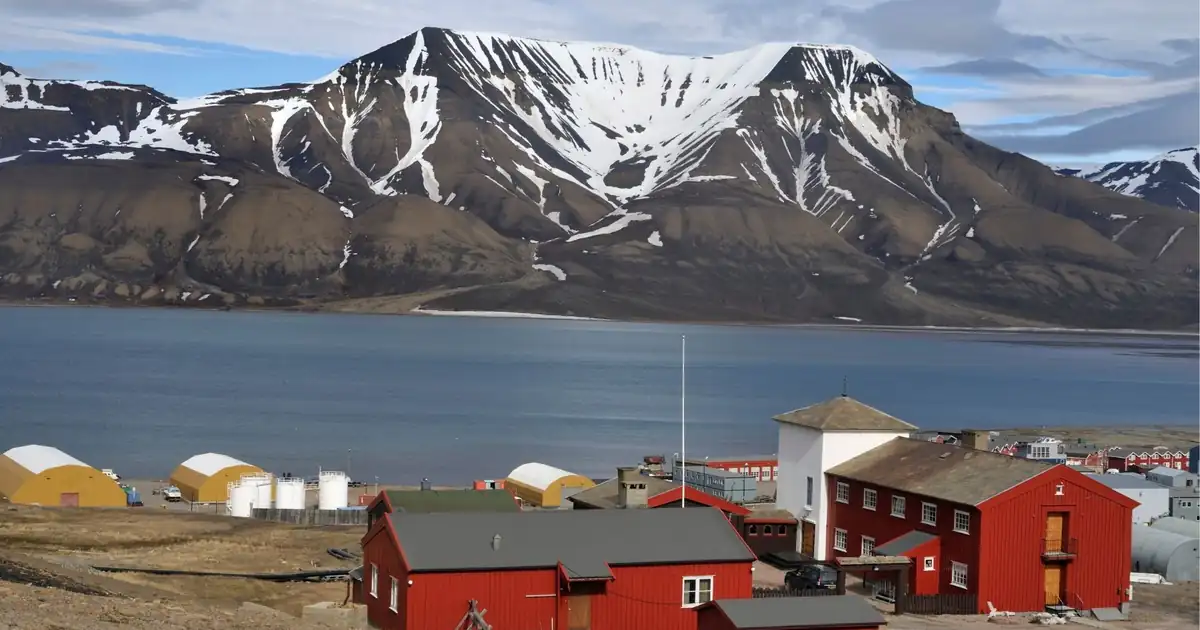
Booking tours in Svalbard is one part of trip planning worth doing earlier than you might expect. Longyearbyen is a small Arctic settlement, many Longyearbyen day tours run with limited group sizes, and some of Svalbard’s most sought-after experiences depend heavily on season, snow, sea ice, weather and daylight.
Visit Svalbard recommends booking priority activities as early as possible, ideally at the same time as flights and accommodation — during weekends and busy periods, some tours can be fully booked as much as six months ahead. That doesn’t mean every activity needs reserving six months out, but if there’s one experience you’d be genuinely disappointed to miss — a major snowmobile expedition, a glacier excursion or a small-group boat tour — it makes sense to secure that first rather than hoping for availability after you arrive.
Check Availability
Quick answer: how far ahead should you book?
For important activities, book as soon as your travel dates are reasonably certain.
| Type of activity | Booking approach |
|---|---|
| Must-do full-day tour | Book early |
| Small-group boat trip | Book early |
| Major snowmobile excursion | Book early |
| Ice cave tour | Book early if central to your trip |
| Northern Lights tour | Book ahead, especially on short stays |
| Longyearbyen sightseeing | Usually more flexible |
| Museum or independent town activity | Often easier to organise locally |
| Extra short activity | Leave some flexibility if desired |
These are practical planning guidelines, not fixed availability rules — actual capacity varies by operator, date and season.
Why Svalbard needs more planning than a normal city break
Svalbard is not a destination where you arrive, hire a car and independently drive between attractions. There are only about 40 km of road on the island, with no connections between settlements, so travel farther into the landscape typically means boats, snowmobiles or organised excursions. That means guided activities aren’t simply optional sightseeing add-ons — for many visitors, the tours are the trip. A four-day stay might include a snowmobile expedition, an ice cave, a fjord cruise, a glacier excursion, wildlife watching, a Northern Lights tour, guided hiking or a sightseeing trip around Longyearbyen, and if your preferred activity is unavailable, there may not be an easy independent substitute.
The best order for booking a Svalbard trip
Start with the activity you want most, then work outward to the hotel. Ask yourself what would make the trip feel worthwhile — for one traveller that might be a long snowmobile expedition, for another it’s seeing Svalbard’s glaciers from the water.
Next, check the correct season. Svalbard’s activities change dramatically through the year, and the tourism year is commonly divided into Polar Summer (17 May–30 September), Northern Lights Winter (1 October–28 February) and Sunny Winter (1 March–16 May). Don’t assume an activity runs year-round simply because you’ve seen photographs of it online — our best-time-to-visit guide breaks the tour calendar down month by month.
Then check flights — Svalbard is reached by air through mainland Norway, generally via Oslo or Tromsø — but avoid booking them immediately without first checking your main activities. Once suitable flights exist, look at the actual availability calendar for the experiences that matter most, then check accommodation: Longyearbyen has multiple hotels and guesthouses, but inventory is naturally much smaller than in a major city (our where-to-stay guide covers the options). Once flights, accommodation and priority activities line up, confirm them, then fill the remaining itinerary with shorter or more flexible activities.
Which tours should you book first?
If several experiences interest you, prioritise the ones that are most important to you, highly seasonal, closer to a full day than a short outing, limited to small groups, offered only on specific days, or difficult to replace with something similar. For many visitors this means booking major outdoor excursions before short sightseeing tours.
Snowmobiling is one of the defining winter experiences in Svalbard — if a particular long-distance route is one of the main reasons you’re travelling, book it before filling the rest of your itinerary. Dog sledding is another experience to reserve early if it matters to you, though it’s largely booked directly with the kennels rather than through the platforms compared on this site — when you do book it, check the duration, the physical requirements, any age limits, whether you get to drive the sled yourself, what equipment is included, and the pickup arrangements, and don’t choose solely by price. Boat and fjord tours can have especially limited capacity: small-group vessels may carry around a dozen passengers, so popular departure times can fill quickly, which is exactly why the Isfjorden wildlife boat trip, capped at eight guests and flagged as likely to sell out, is worth locking in early if it’s on your list. Ice cave tours vary significantly in difficulty, so check whether the trip — such as the ice cave adventure by snowmobile — is genuinely appropriate for everyone in your group before booking. Northern Lights excursions, like a Northern Lights photography tour, are often easier to fit around daytime activities, but there’s still a strong argument for booking ahead on a short trip.
When is the busiest time for Svalbard tours?
Demand varies by season and experience. Sunny Winter (March to mid-May) is one of the most popular times to visit and especially important for snowmobile trips. Polar Summer (mid-May to September) is when many visitors focus on boat tours, fjord trips, glacier experiences, hiking, wildlife excursions and kayaking. Northern Lights Winter (October to February) brings a different set of activities from the bright spring and summer months, so check actual operating dates instead of assuming.
Can you book after you arrive?
Yes — you don’t necessarily have to arrange every activity before leaving home. Longyearbyen’s Tourist Information Centre can help visitors explore and book activities from local providers, and hotel receptions may help too. Last-minute booking works well for additional sightseeing, filling an unexpected free afternoon, adding a second Northern Lights outing, or choosing between activities according to current conditions. But there’s an important distinction: use last-minute booking for bonus experiences, not for the one activity your entire trip depends on.
Where can you book?
Travellers generally have several options. Visit Svalbard, the destination booking platform, carries activities from local providers, though Visit Svalbard is not itself the tour operator. Booking directly with tour operators is useful when you want detailed clarification about physical requirements, route, equipment, children’s participation, private trips or specific pickup arrangements. Third-party booking platforms can be useful for comparing availability, cancellation terms and reviews — whatever platform you use, compare the actual tour details, not just the title.
What should you check before booking?
Before paying for any Svalbard excursion, check whether the tour actually runs on your dates, its real duration (a “day tour” could mean three hours or almost an entire day), its difficulty level, the minimum age, what clothing and equipment the operator provides, whether meals are included on longer excursions, whether hotel pickup is offered, the cancellation policy, the weather policy, and — if you expect to drive a snowmobile yourself — the operator’s driving-licence requirements.
Don’t assume a tour route is guaranteed
Arctic tours operate in a landscape where weather, snow, sea ice, visibility and wildlife conditions can change. A boat tour may alter its route, a snowmobile excursion may need a different destination, and wildlife cannot be ordered to appear. Think of the experience as a guided Arctic adventure under the conditions available that day, rather than a guaranteed visit to every location shown in the promotional photographs.
Policies on weather cancellation vary by operator: some tours can be changed, rerouted or postponed depending on conditions, and traveller-initiated cancellation is different from an operator cancelling on you. Don’t assume one policy applies to every tour on the island — read the specific terms for what you book.
Should you get travel insurance?
Yes. Make sure you have valid travel and health insurance covering the entire stay, including medical treatment, possible transport to mainland Norway, unforeseen incidents and medical evacuation, and check specifically that your policy covers Svalbard and Arctic travel.
How to schedule your days
Be cautious about booking tours on your arrival or departure day — a safer approach is to keep the arrival day relatively flexible, place your most important full-day experiences in the middle of the trip, and avoid scheduling a critical tour immediately before your departure flight. Usually one major activity per day is enough; some half-day tours combine well, but Svalbard experiences can be more tiring than their duration suggests. A balanced itinerary might run: arrival plus Longyearbyen sightseeing on day one, a full-day snowmobile excursion on day two, an ice cave or hiking experience plus a Northern Lights tour on day three, and a flexible weather-backup day at the end.
Around five to ten days gives useful flexibility, particularly because Arctic weather can interfere with outdoor activities throughout the year — especially relevant if you’re flying a long distance for one specific experience. Our guide to Svalbard Hotel The Vault, Coal Miners’ Cabins and Svalbard Hotell | Lodge all work through what a multi-day, tour-heavy itinerary looks like from a specific base.
You don’t need to book every day in advance. A good strategy is to pre-book your two or three highest-priority experiences, anything with obviously limited capacity, and highly seasonal activities, then leave room for weather changes, local recommendations, rest, additional sightseeing and spontaneous bookings. Don’t count on a discount for booking several activities together — choose excursions based on the experience, since a package discount is unlikely.
Common booking mistakes
Booking flights before checking your must-do activity is the big one — always check flights, accommodation and tours together, before locking any of them in. Other common mistakes: assuming every tour runs year-round when Svalbard is intensely seasonal; choosing solely by price (a four-hour introductory excursion and a full-day expedition aren’t comparable just because both mention “snowmobile”); ignoring difficulty ratings; scheduling too tightly, since a long outdoor excursion followed immediately by another demanding tour can be exhausting; leaving every booking until arrival, which is fine for optional extras but risky for essential experiences; booking every minute with no room for weather, rest or unexpected opportunities; ignoring cancellation conditions; and assuming wildlife sightings are guaranteed, which they never are.
Frequently Asked Questions
Do you need to book Svalbard tours in advance?
For priority activities, yes.
How far ahead should I book tours in Longyearbyen?
There’s no universal deadline. If an activity is central to your trip, book once your dates are confirmed — some tours can be fully booked up to six months ahead during busy periods.
Can you book Svalbard tours online?
Yes.
Can I book tours when I arrive in Longyearbyen?
Yes, subject to availability — the Tourist Information Centre and hotel receptions can help.
What Svalbard activities should I book first?
Book whichever experience you would be most disappointed to miss.
Are Svalbard tours available all year?
Some are, but many are seasonal — check the operating dates for anything you’re planning around.
Are Svalbard tours cancelled because of weather?
They can be changed or cancelled when Arctic conditions make the planned activity unsuitable or unsafe.
Is hotel pickup normally included?
It’s common but not universal — always check the individual tour description.
Do I need travel insurance for Svalbard?
Yes, and check that your policy explicitly covers Arctic travel and Svalbard, including medical evacuation.
The bottom line
The safest way to book a Svalbard trip is to build your itinerary around the experiences you care about most, rather than booking a flight first, accommodation six weeks later and activities only after arriving. Decide what you most want to do, check whether it operates during your dates, check flights, check accommodation, confirm your priority tours, add flexible activities around them, and keep at least some breathing room for Arctic weather.
Svalbard rewards planning, but it also rewards flexibility. Secure the experiences that would genuinely define the trip — whether that’s crossing the snowy landscape by snowmobile, cruising beneath glacier fronts or heading into the Polar Night in search of the aurora — then leave enough space in the itinerary to let the Arctic decide what happens next.
Stand at the Door of the Global Seed Vault
Two hours by car to the concrete wedge in the mountainside, out through Adventdalen where the reindeer graze, and round Longyearbyen's mining heritage. Hotel pickup and a warm drink included — and it runs every month of the year.
Check Availability & Book